Your Business Isn't Too Small for a Backup Plan
Your Business Isn't Too Small for a Backup Plan A seller wakes up to a frozen Amazon account. No warning, no phone call, just a locked dashboard and a bank of inventory sitting in a fulfillment…
By Steve Sanford · 2026-07-15

Your Business Isn't Too Small for a Backup Plan
A seller wakes up to a frozen Amazon account. No warning, no phone call, just a locked dashboard and a bank of inventory sitting in a fulfillment center it can't touch. That's not a rare glitch. Amazon's automated risk systems suspend accounts constantly, freezing both sales and cash while an appeal crawls through review [1]. TikTok Shop rejected more than 70 million product listings and over 200,000 products in 2025 alone as part of its anti-fraud enforcement [1]. If your revenue lives on one platform, you don't have a business model. You have a landlord who can lock you out with no notice.
Most owners know this in the back of their mind and do nothing about it anyway. Multichanneling sounds expensive and complicated, so they stay put on the one channel that already works. That instinct isn't wrong, it's just aimed at the wrong problem. The fix isn't "be everywhere." The fix is redundancy sized to what you can actually run.
Stop Calling This a Black Swan
A black swan is something nobody saw coming. Algorithm updates, policy rewrites, and suspension waves are not that. They're the weather. BCG's 2026 disruption research describes consumer journeys moving from an open web into AI-mediated experiences that can cut brands off from the customers they used to reach directly, and warns that brands who don't adapt risk real declines in traffic [2]. That's not a freak event. That's the direction things are already moving.
Two-thirds of senior marketing leaders now expect a high level of AI-driven disruption to consumer behavior [3]. When most of the people running marketing budgets tell you this is coming, planning for it stops being paranoia and starts being basic operations. You wouldn't call a broken water heater a black swan either. You'd call a plumber and you'd probably have a backup plan for hot water next time.
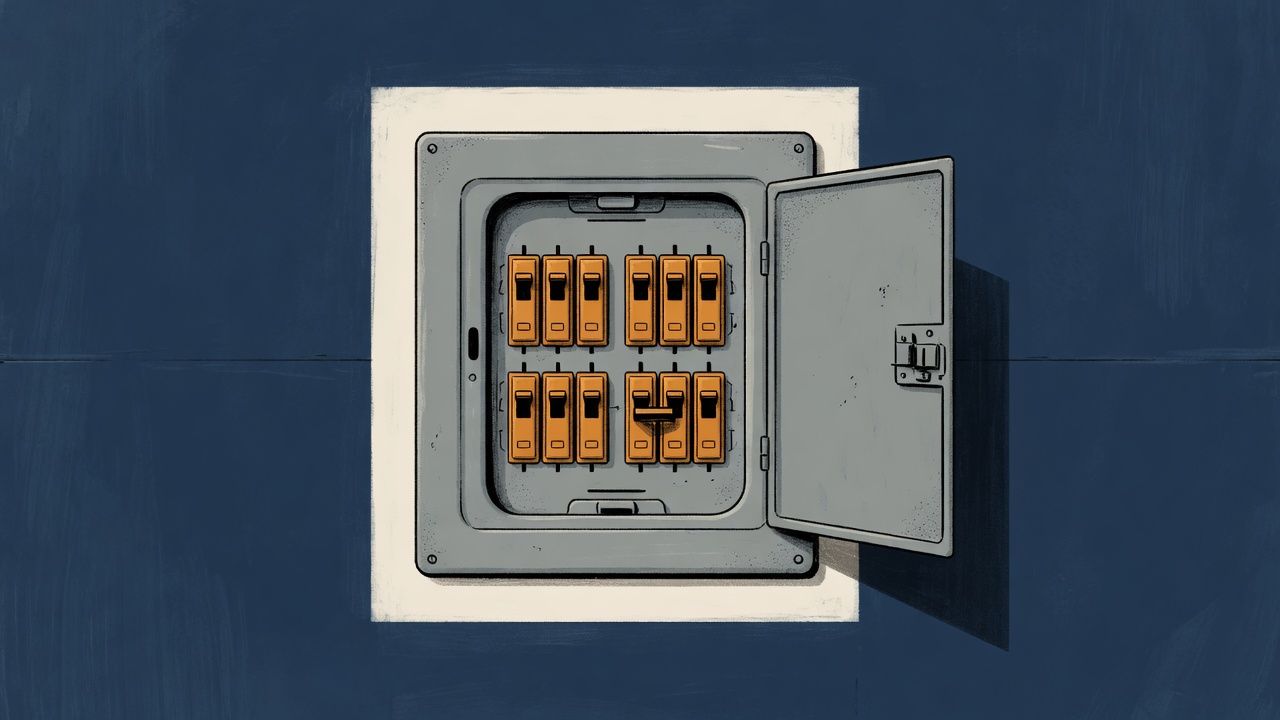
The Real Risk Isn't the Suspension. It's Having Nothing Else When It Happens
Here's the mundane version of the disaster nobody talks about: a seller builds three years of momentum on one marketplace, gets flagged by an automated fraud filter during a big sales season, and loses access to funds and listings while the appeal sits in a queue [1]. The suspension itself lasts weeks. The damage lasts longer, because there's no other channel picking up the slack while it's frozen.
Buyers already comparison shop across platforms before they buy anything. Almost nobody sticks to one marketplace out of loyalty [1]. So the seller who concentrates on a single channel isn't just exposed to platform risk, they're already losing customers to competitors who show up in more places. Concentration doesn't protect you. It just hides the leak until the day the pipe bursts.
Multichanneling for Everyone Is the Wrong Advice
This is where a lot of advice goes off the rails. "Sell everywhere" sounds smart until you're a four-person team trying to run five different sets of listings, five sets of policies, and five inventory feeds by hand. Multiple platforms mean multiple compliance rules, and if inventory sync is manual, you will eventually sell the same item twice on two channels on the same day [1]. That's not a hypothetical. That's Tuesday.
The right prescription depends on your size and your capacity, not on some universal rule that every company needs four sales channels. A solo operator or a five-person shop should not be running the same channel count as a fifty-person team with a dedicated ops person. Match the redundancy to what you can actually operate without breaking something else.
The Minimum Viable Redundancy Plan
You don't need ten channels. You need one thing you own and one or two you don't, plus a system tying it together so a bad day degrades revenue instead of ending it.
- One owned asset. Your own website, your email list, or a direct customer relationship you control outright. No platform can suspend your email list. Your own site is the only channel where you're not renting the ground you stand on [1].
- One or two vetted channels. A marketplace or platform where your buyers already are, chosen because it fits your product, not because everyone else is on it. Experts from Etsy and eBay panels have made the same point directly: sell where your product actually fits, and never let a single block take down the whole business [1].
- A centralized operations layer. Inventory synced across every channel from one hub, so adding a platform or dropping one doesn't require rebuilding your entire operation from scratch [1].
That's it. Three moving parts, not fifteen. The goal isn't maximum coverage, it's a setup where losing one piece costs you a slice of revenue, not the whole business.
Own Something, Because Renting Everything Is the Real Vulnerability
Your own website doesn't win you the volume a big marketplace can hand you overnight. What it gives you is immunity. No content policy change can shut it down. No algorithm update can zero out your traffic to it, because your email list and your direct customer relationships don't route through anyone else's platform [1].
BCG's research backs this up from the brand side too: the companies weathering AI-driven disruption best are the ones building defensibility through owned relationships, proprietary data, and direct customer touchpoints, not just chasing whichever channel is hot this quarter [2]. If every dollar of your revenue depends on a platform you don't control, you're not running a business, you're subletting one. The businesses that survive a policy change are the ones who had a lease on the side.
Centralize the Ops or the Whole Plan Falls Apart
Redundancy without a system behind it just multiplies your workload. Every extra channel means another set of policies, another inventory count, another place where a listing can go stale or a price can drift out of sync. Done manually, that workload can eat the exact margin you were trying to protect [1].
Here's what breaks the "just be on more channels" rule: doing it without a hub. Five channels managed by hand is five separate businesses wearing one trench coat. Five channels synced through one inventory and pricing system is one business with five doors. The centralization is what turns diversification from a time sink into an actual advantage, and it's also what makes experimentation cheap: test a price point on one channel, test packaging on another, and compare results without touching your core operation [1].
Where AI Changes the Math
This isn't only a platform-suspension problem anymore. AI-mediated discovery is starting to sit between your brand and your customer the same way a marketplace algorithm does, and BCG's newer research treats that as a distinct and growing disruption vector, separate from the traditional open web [2][4]. When an AI system decides what gets surfaced and what doesn't, a brand that depended entirely on search traffic or a single social channel for discovery is exposed the same way an Amazon seller is exposed to a suspension.
The response looks similar too. One marketing product lead put it plainly: AI systems trust patterns across multiple sources more than they trust any single piece of content, so brands need multiple trusted sources reinforcing the same message instead of betting everything on one channel or one piece of content [5]. Diversify the proof points, own the relationship where you can, and let AI find you in more than one place. Same logic as the marketplace problem, different mechanism.
What This Looks Like in Practice
Picture a small home goods brand doing most of its volume through one marketplace and a decent Instagram following. Nothing wrong with that as a starting point. But if that's still the entire operation two years in, one algorithm change or one account flag away from a bad quarter is too much risk sitting on too few legs.
The fix isn't opening accounts on six new platforms next week. It's picking one owned asset to build now, usually a simple site with an email capture, and one additional channel that fits the product and the audience, run through a shared inventory and order system so neither channel becomes a second full-time job. That's a plan a two-person team can actually execute, and it's the plan that turns a suspension notice from a company-ending event into a bad week.
Frequently Asked Questions
Do small businesses really need multiple sales channels, or is that only for larger companies?
The number of channels should scale with your team's capacity, not a blanket rule. Even a one-person operation benefits from at least one owned asset, like an email list or a simple website, paired with the single marketplace that fits the product best.
What's the fastest first step if I only sell on one platform right now?
Start collecting customer emails or contact info immediately, even before you add a second sales channel. That owned list is the one asset no platform policy or algorithm change can take away from you.
Why not just sell on every major marketplace to be safe?
Because managing five platforms by hand usually produces the same profit as managing one, with double-sold inventory and compliance headaches eating the upside. Redundancy without a centralized inventory system creates more risk, not less.
How is AI-driven discovery different from a platform suspension risk?
A suspension cuts off a channel you're actively selling on. AI-mediated discovery changes whether customers find you at all, since AI systems increasingly sit between your brand and the shopper and decide what surfaces. Both point to the same fix: don't depend on one gatekeeper for either sales or visibility.
Next Step
Look at your own numbers this week. What percentage of your revenue runs through a single platform, and do you have an owned channel, email list, website, or direct customer relationship, that would still be standing if that platform vanished tomorrow? If the honest answer makes you uneasy, that's the signal to build the second leg before you need it, not after.
Sources
- Surviving The World Of Marketplaces With Multiple Selling Channels (forbes.com)
- Battle for the Interface: Introducing the Consumer AI Disruption Index (bcg.com)
- Two-Thirds of Top Marketing Leaders Expect a High Level of AI-Driven Disruption to Consumer Behavior (finance.yahoo.com)
- What a New AI Disruption Index Can Tell You About Your Brand's Future (finance.yahoo.com)
- How to track brand mentions in AI search 2026 (impact.com)
Researched from 8 vetted sources · average source authority DR 88